Measuring the Upper Atmosphere
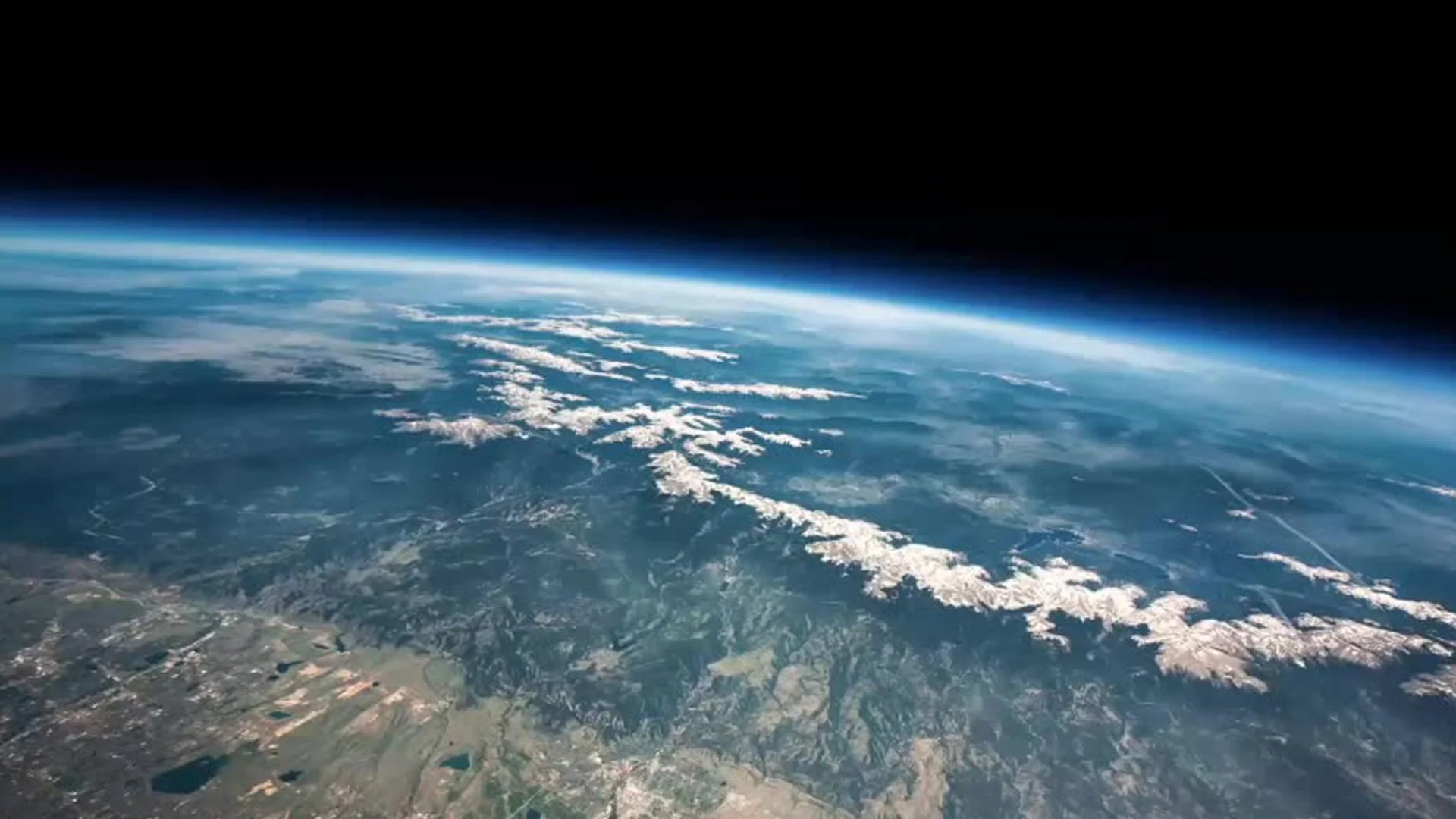
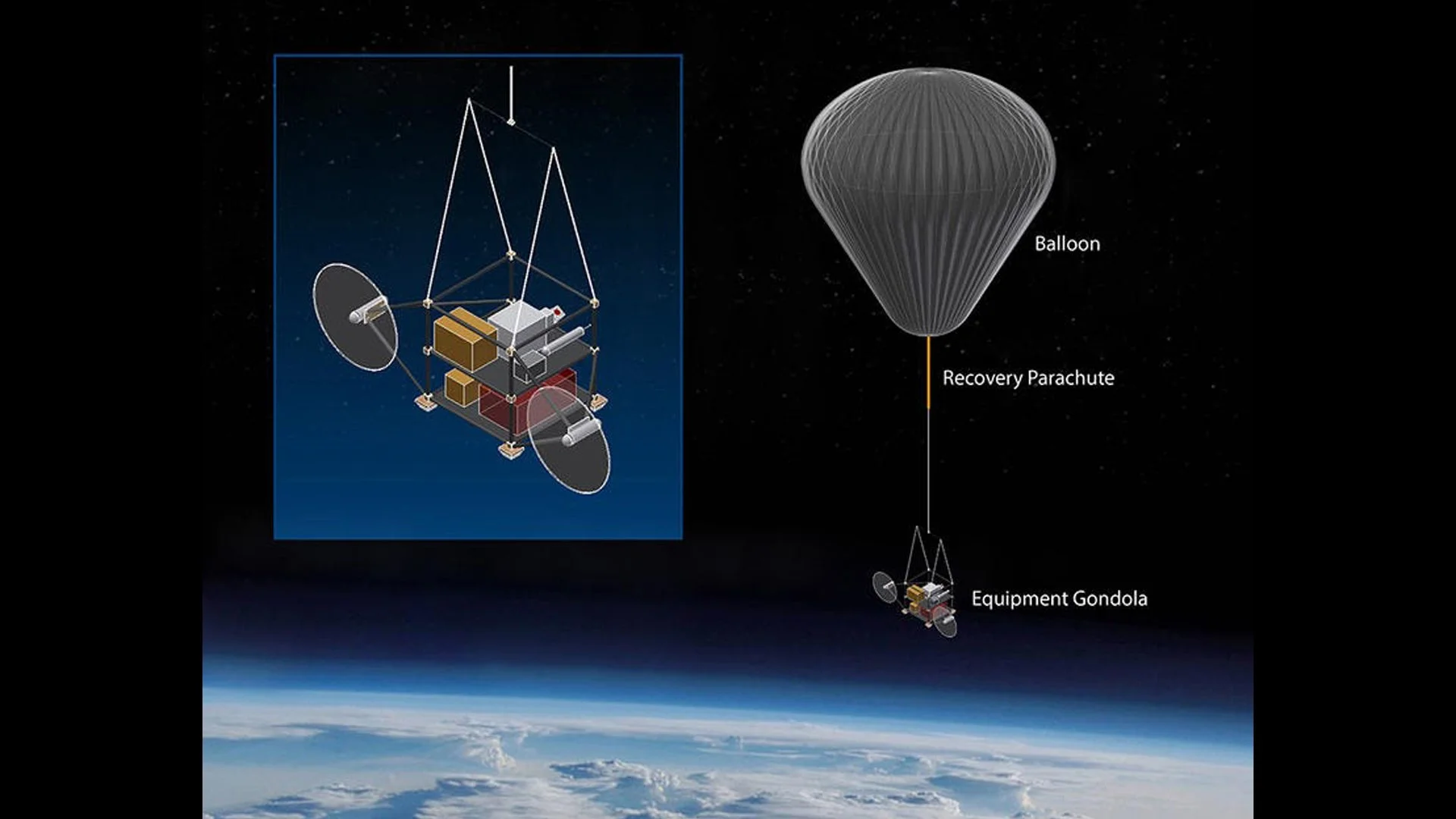
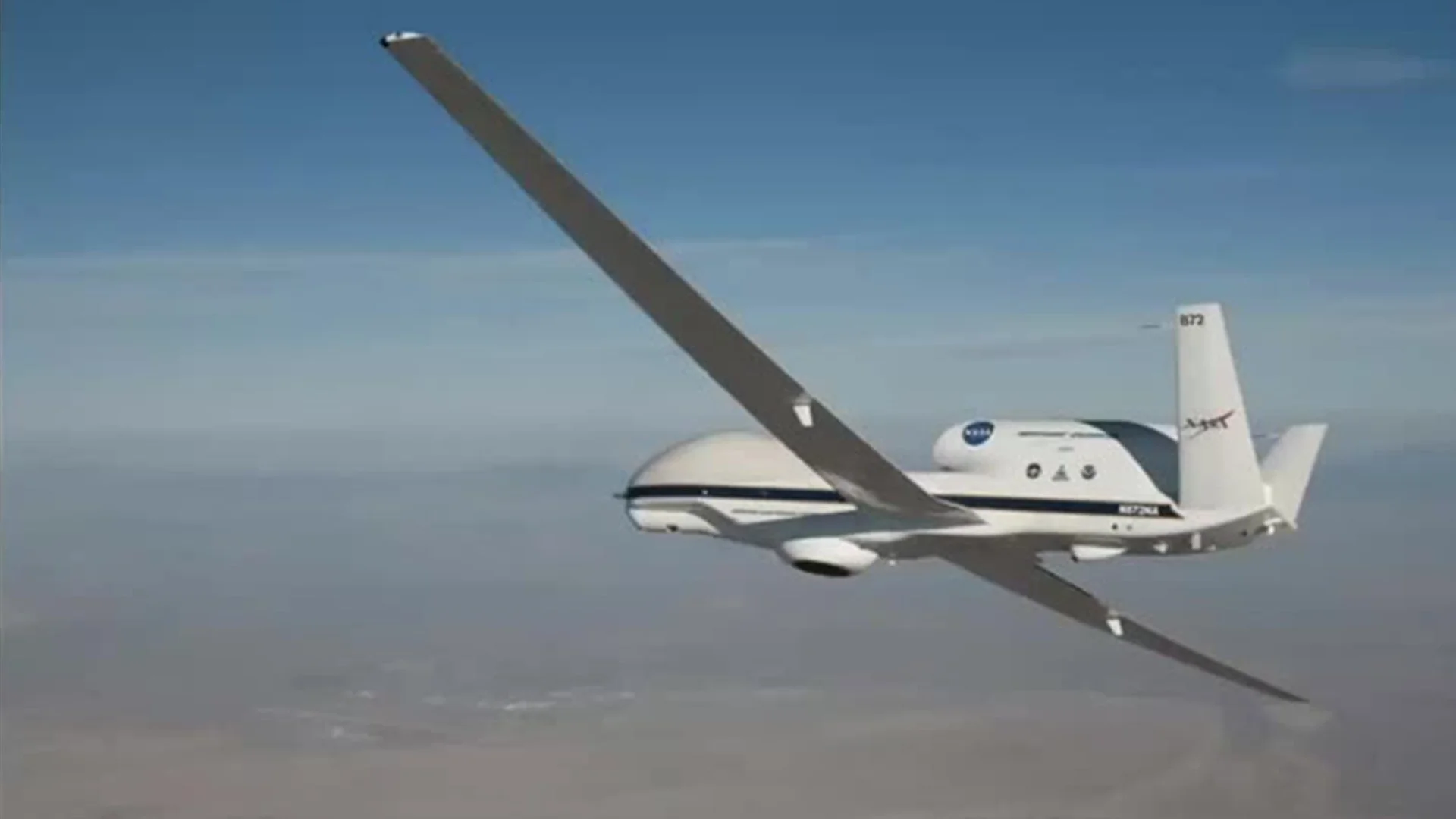
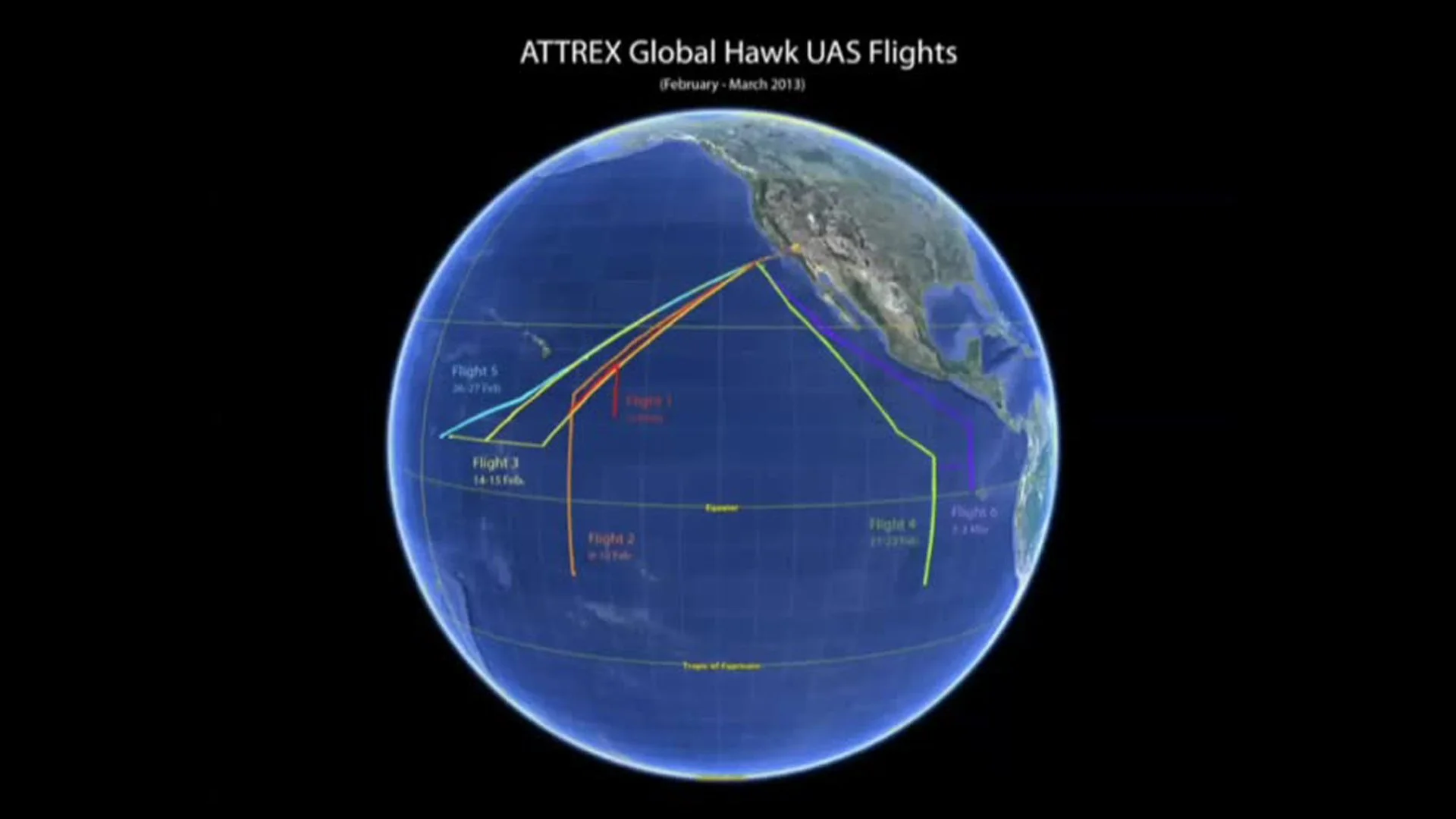
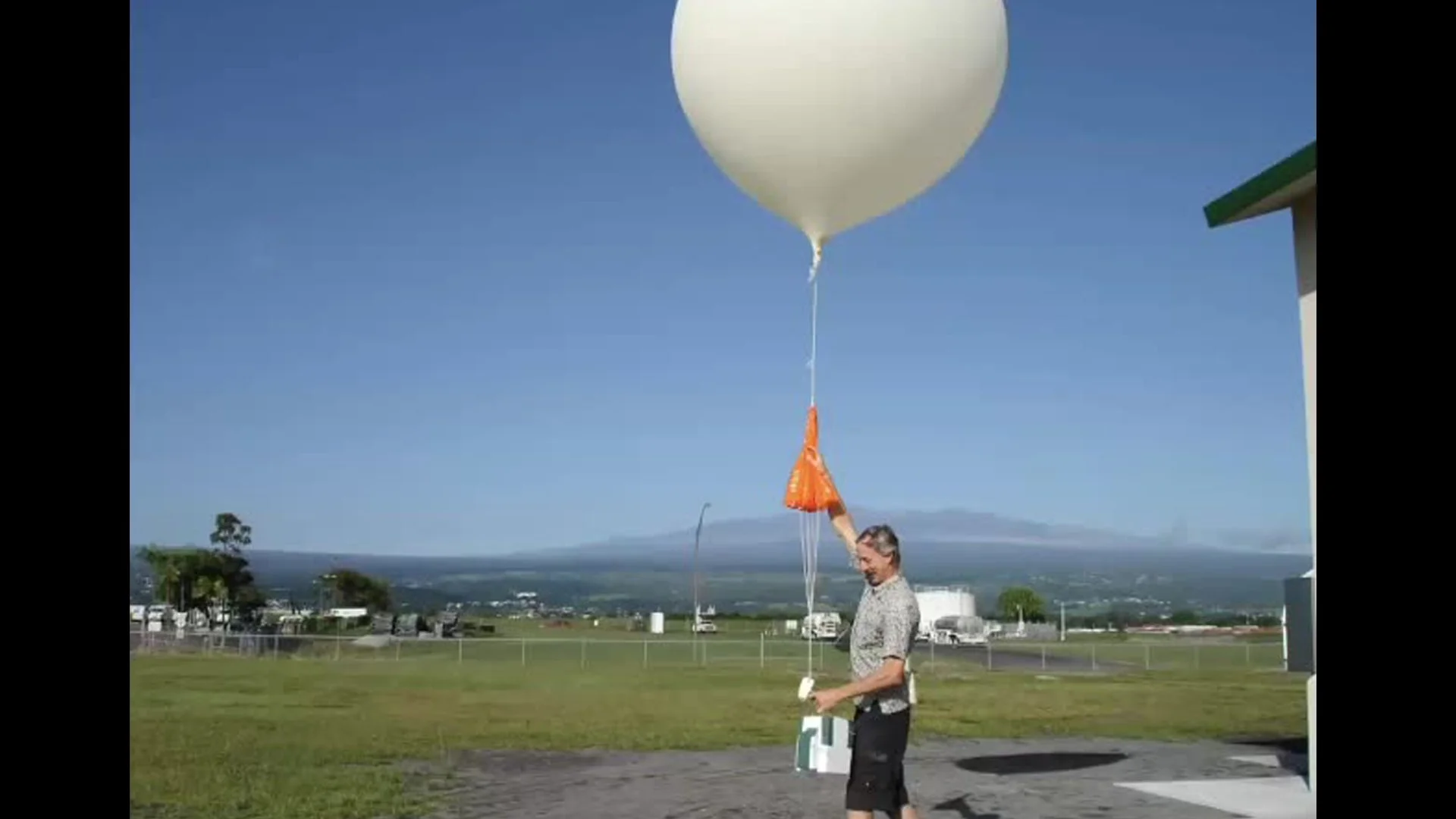
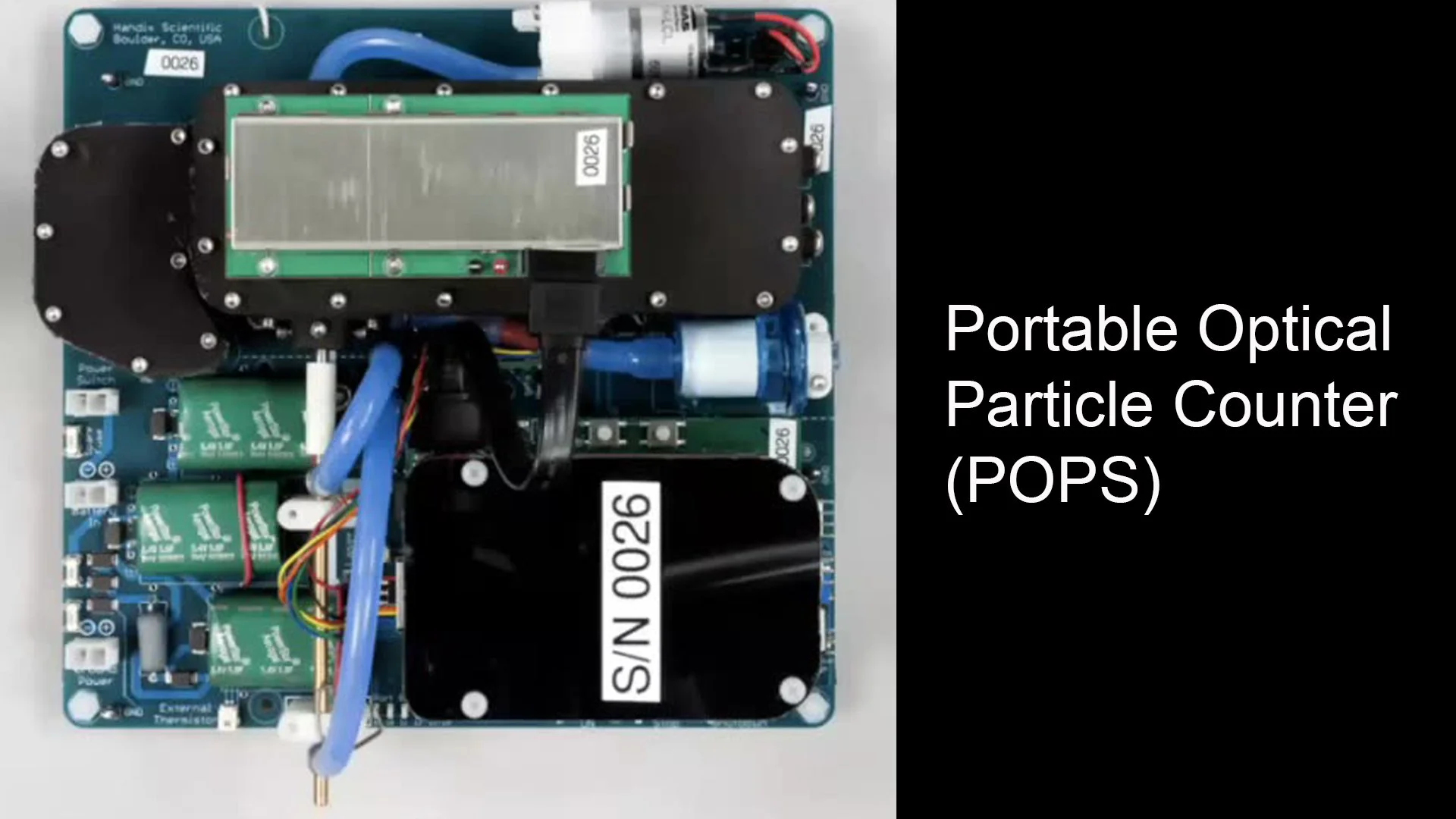
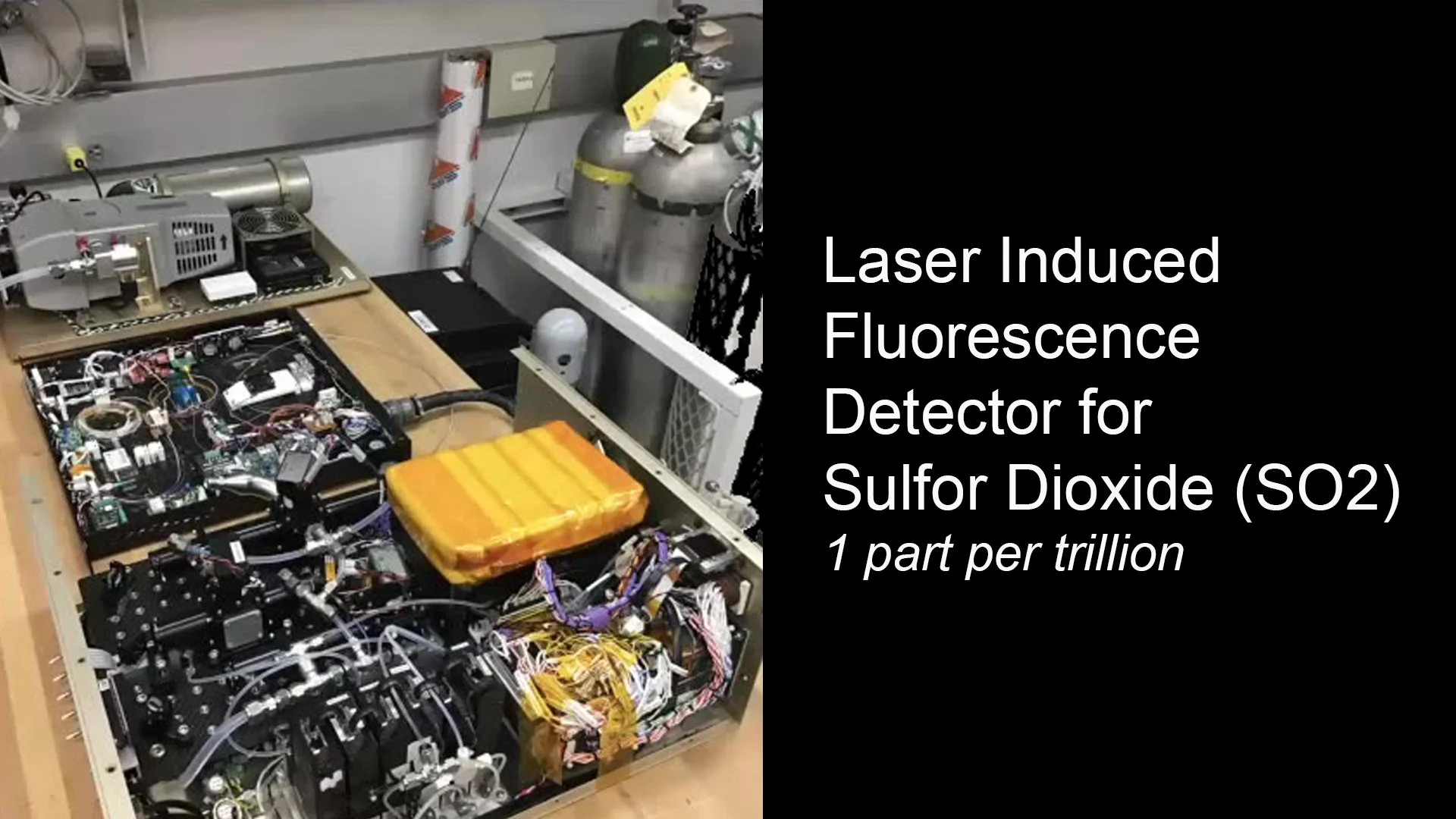
David Fahey, director of NOAA’s Chemical Sciences Laboratory, and Frank Keutsch, principal investigator of Harvard’s Stratospheric Controlled Perturbation Experiment (SCoPEx), took the audience up to the stratosphere, the thin layer of atmosphere where scientists have proposed reflecting sunlight to cool the planet. David showed how his lab flies instruments into the stratosphere to measure what’s actually there, using weather balloons and a long-range drone called the Global Hawk. NOAA’s tools include a handheld particle counter called POPS and an “extremely precise and selective” SO2 instrument that uses laser-induced fluorescence to detect sulfur dioxide. Frank then explained why sulfate, the particle released by volcanic eruptions, comes with serious side effects: it destroys ozone and heats the stratosphere. He proposed testing calcium carbonate, essentially limestone, instead, by sending a balloon about 20 kilometers up to release a single kilogram of particles and study how they behave.
HW filmed David and Frank’s segments remotely and edited them into a compelling video about the open questions of how particles behave in the stratosphere and how changes there ripple through the rest of the climate.